

On the second floor of UTC’s University Center, down a hallway that once buzzed late into the night with deadline adrenaline, three alumni found the place that would shape how they think, write and lead: The University Echo newsroom.
For Chloé Morrison, the journey began with hesitation.
“I was so anxiety-ridden that I just stood at the door, trying to gather the courage to go in and ask for a job,” she said. A sportswriter passed by and nudged the door open. She left — and came back the next day. By senior year, she was editor-in-chief.
Years earlier, Dr. Catrenia McLendon walked into the same newsroom searching for something different: a voice.
“Writing gave me a voice because I was super introverted,” she said. As news editor, she learned that confidence often comes from making the hard, principled choice.
And for Sean Phipps, The Echo was where instinct met opportunity — a place where humor, curiosity and risk-taking could live on the same page. He jokes that he once considered clown college—but communication was always the obvious choice.
“I was never going to do anything else,” said Phipps.
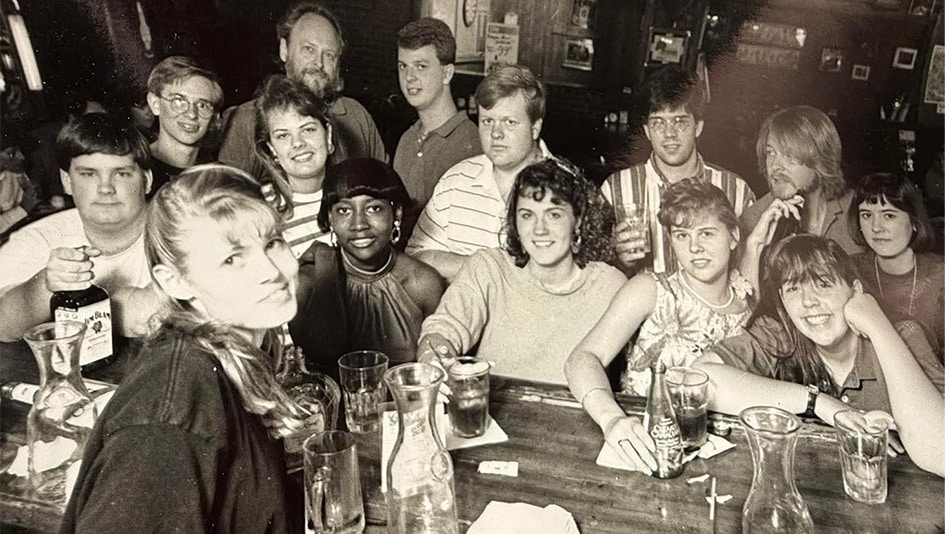
Two decades later, Morrison (’05), Phipps (’05) and McLendon (’91) agree on one thing: The Echo wasn’t just a student newspaper. It was a proving ground.
The first lesson: look out the window
In that proving ground, judgment mattered as much as prose. Morrison’s favorite reminder still guides her work: “If one person says it’s raining, and another says it’s not raining, the journalist should look out the window and report the truth.”
McLendon learned the same principle from the front page. A photographer captured a perfect moment at the campus daycare—but the caregiver pictured was someone she disliked. The editor-in-chief left the decision to her.
“Everyone agreed that it was an adorable picture,” she said. She ran it.
What both describe is a newsroom that asked students to practice prudence, honesty and backbone—every day, in public.
The second lesson: collaboration is a contact sport
Phipps still laughs about a notorious production night mishap: a missing jump line that swallowed half a feature.
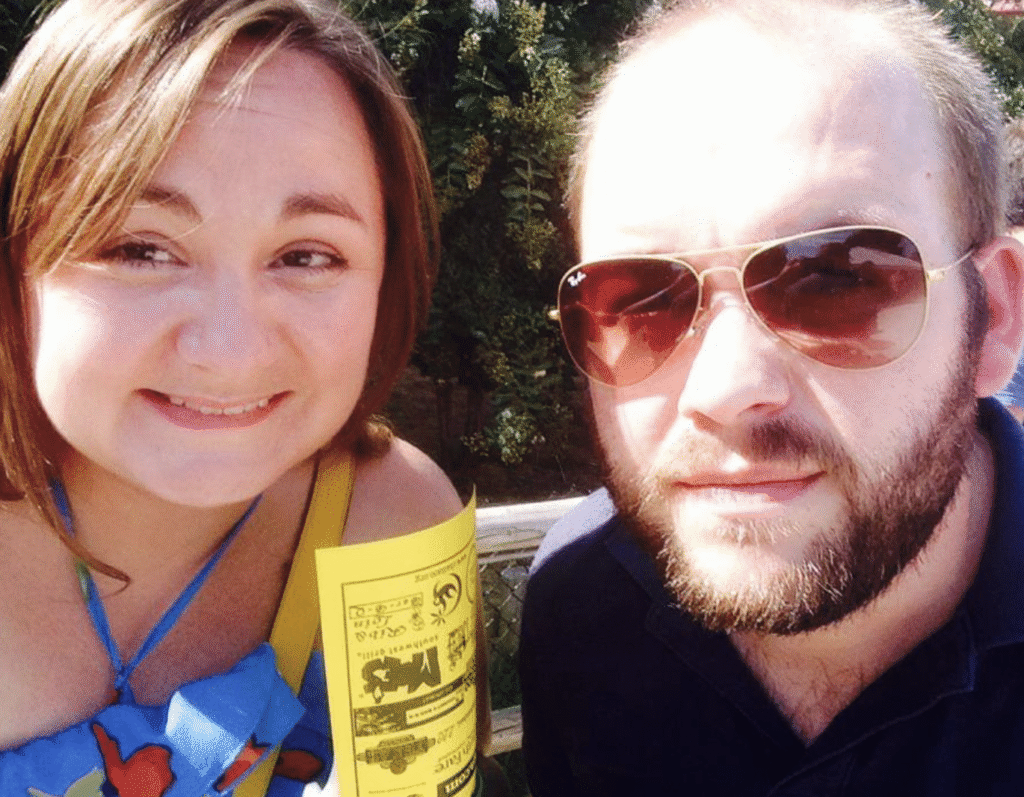
“Chloé, bless her, left out a bunch of relevant copy… The story made no sense. I was 20 years old, so I really let her have it. She fired me… Did I mention we’re still friends?” Morrison remembers it as “hilarious”—a tiny bump on a 20-year road of friendship.
That wasn’t his only memorable byline. Earlier, Phipps had made his mark with a satirical column—most notably “Sinister Squirrels,” written from the point of view of a paranoid conspiracy theorist. It was the kind of story that only worked in a student newsroom willing to let writers take risks, fall flat and try again.
That kind of collision—accountability with grace—became its own training: how to argue an edit, own a mistake, and keep the team intact for the next issue.
Where it led: three careers, one throughline
Morrison followed her Echo connections into an internship and then the Chattanooga Times Free Press, later helping build Nooga.com/NOOGAtoday. Those beats—especially startups—nudged her toward public relations at The Company Lab and now Launch Tennessee.
“UTC and The Echo greatly affected my career direction,” said Morrison. “The most important thing I gained was quality connections.”
Phipps ranged widely—from radio at WUTC (co-creating “Around and About”) to early “podcasting” at the Times Free Press—before landing at the Chattanooga Tourism Co., where he rose to marketing director. He’s proudest of their pandemic response: “Our organization became the central hub for all our attractions, restaurants and hotels to get information and come together.”
His north star now? “Good storytelling has never been more important… We’re in the inspiration business.”
McLendon’s path ran through education: teaching adult literacy, earning a master’s degree in Foundations of Education and a doctorate in Instructional Leadership, and eventually moving into municipal economic development. The editor’s eye honed at The Echo became a compass for leadership.
What lasts: ethics, voice, truth
For students coming up now, the landscape looks different—but the Echo lessons remain. Morrison’s counsel is the same, “Cling to those old tried and true journalism ethics and foundations… learn them backward and forward; commit to them and work only for good.”
McLendon’s is just as clear: “We need prudence and honesty in the field.”
And Phipps—ever the storyteller—distills tourism to what any reporter knows about the audience: start with wonder.
For Morrison, Phipps and McLendon, the student newsroom was where confidence grew, ethics were tested and careers quietly began. For many, it all starts the same way: with a door, a deadline and the courage to walk through.